
Development & Tech
Can your evaluator tell when AI-optimized code is actually good enough?
Before launching an automated search, define the baseline, score, hard constraints, stopping rule, and human who owns the release decision.


tag
Read mini classes on this topic together, starting with the latest lessons for context.
lessons
Tag guide
This tag gathers mini classes around one specific topic. Start with the newest post, then use categories and related reading for context.
Before launching an automated search, define the baseline, score, hard constraints, stopping rule, and human who owns the release decision.

Use a constrained AI patch as a price check, then assess generation, review, and six-month ownership separately before choosing ship, revise, or stop.

A failed workflow may already have changed records, contacted customers, or moved money. Before anyone retries it, the team needs evidence, a recovery action, and a human decision owner.

Figma’s code layers, Motion, shaders, and AI agent can speed up design exploration, but teams still need to separate an exploration canvas from a delivery specification.

AI can quickly structure security alerts and draft patch proposals, but humans still need the release gate to prevent well-written recommendations from becoming unsafe production changes.

Docker scanner alerts are only a starting point. First decide whether each finding affects this image and runtime, then define AI's role and the human release gate.

RTX Spark makes Windows AI PCs feel more concrete, but the buying decision should start with your recurring wait time, data boundary, cloud cost, and software support, not the spec sheet alone.

Logging is not useful just because it exists. This micro-lesson defines what good logs must do, then compares Python logging and Loguru against the same checklist.

As Copilot moves toward more detailed usage billing, the real control point is not every prompt. It is deciding which tasks may enter high-cost mode, with scope, owner, stopping points, and review criteria named first.
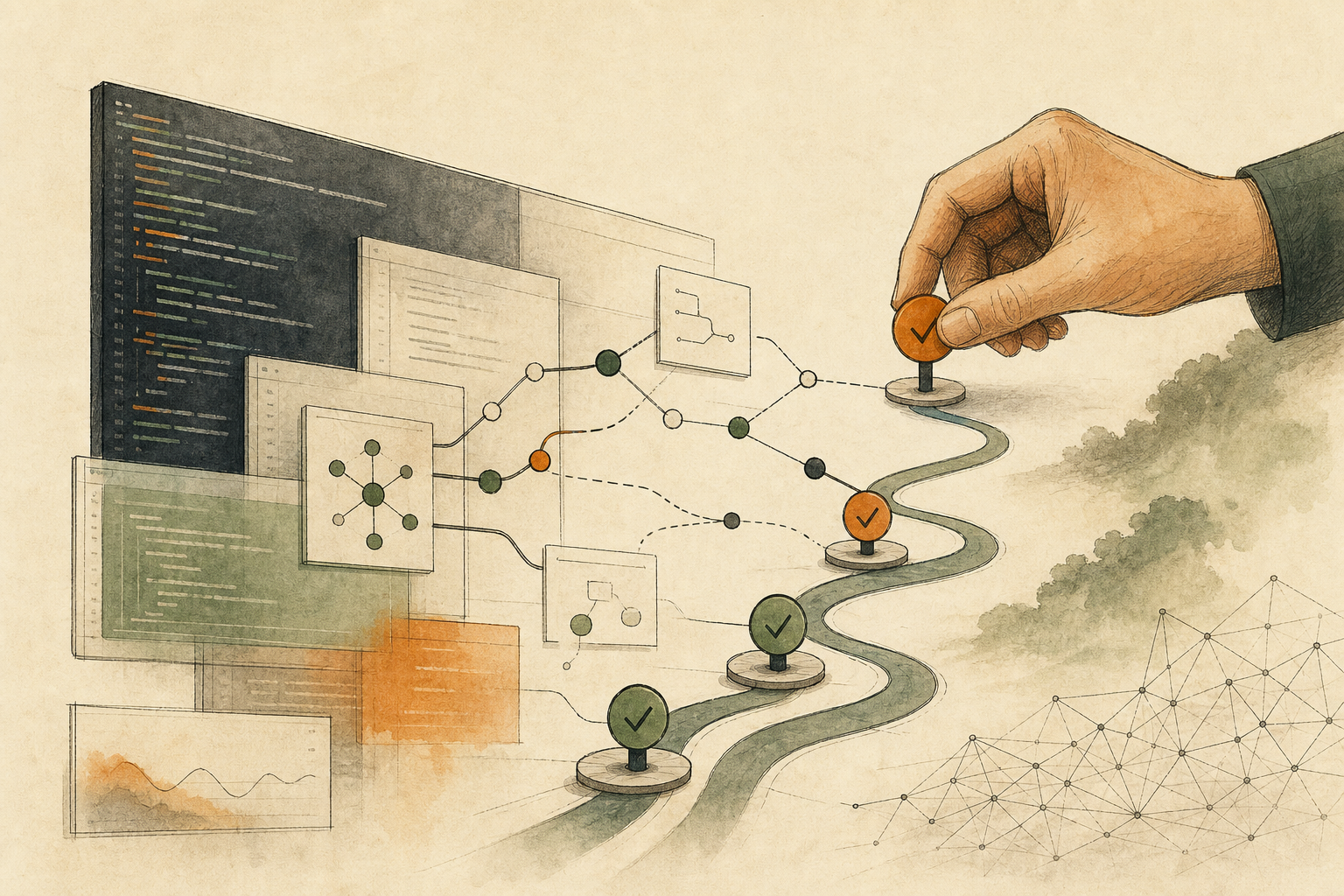
A coding agent can read issues, edit files, run tests, and open PRs, but the task should not be a single line that says finish it. Use checkpoints to decide how far it can go and where a human must review.