
AI Tools & Apps
Stop Asking AI to ‘Make It Better’
When AI revisions drift, replace vague adjectives with one observable difference, a frozen baseline, and a clear stopping rule.


tag
Read mini classes on this topic together, starting with the latest lessons for context.
lessons
Tag guide
This tag gathers mini classes around one specific topic. Start with the newest post, then use categories and related reading for context.
When AI revisions drift, replace vague adjectives with one observable difference, a frozen baseline, and a clear stopping rule.

Before launching an automated search, define the baseline, score, hard constraints, stopping rule, and human who owns the release decision.
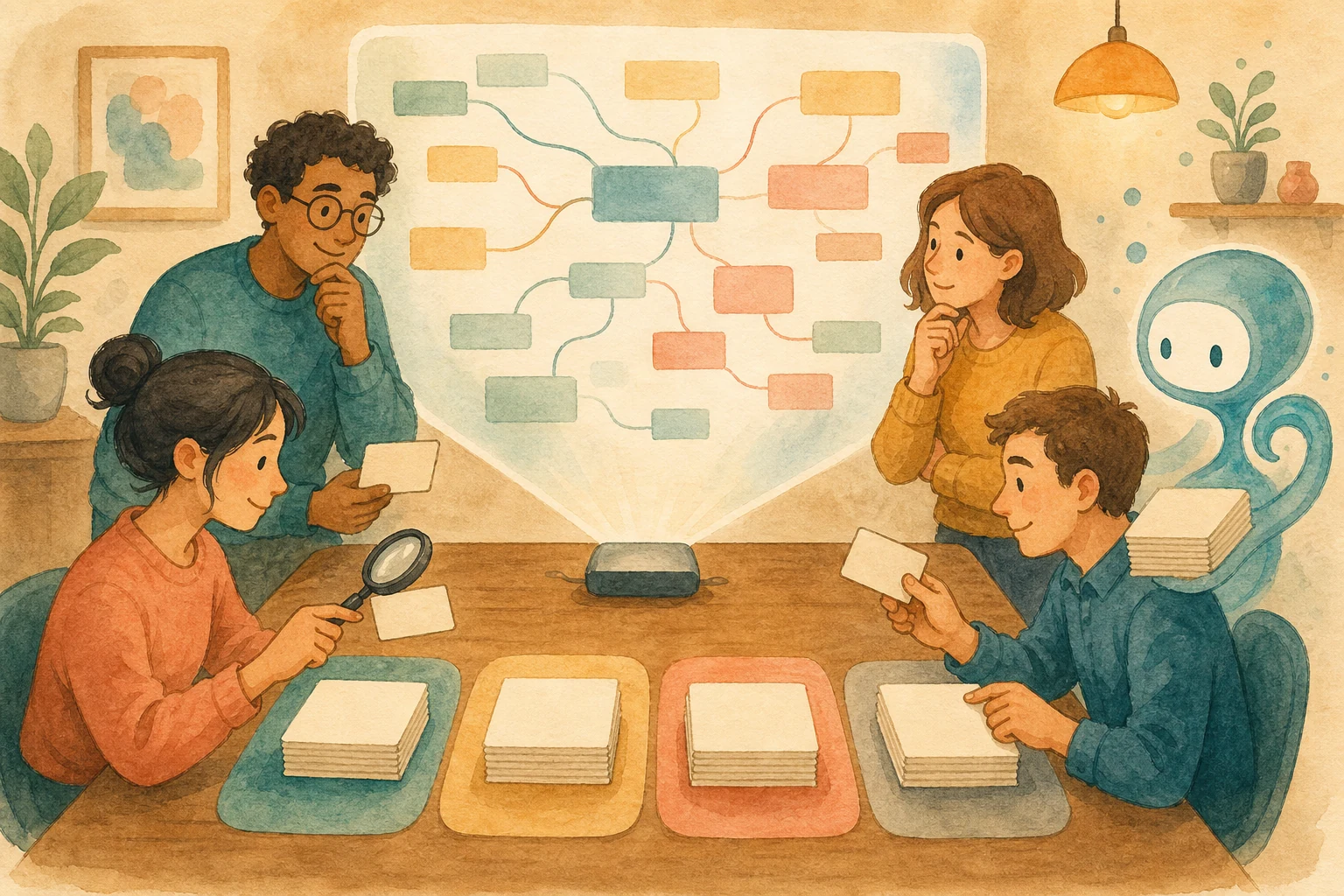
Deep-research AI can cite sources, but citations are not evidence by themselves. Before using the output, separate official sources, research or media, community discussion, and unknown leads.

Anthropic says Claude now handles most internal analytics questions, but the key is not simply a smarter model. Teams first need fixed data sources, metric definitions, query steps, and review rules.

The UK facial age estimation case shows why high-risk AI needs human override, appeal, and pause rules before model accuracy becomes the focus.

People can use AI and still worry it is moving too quickly. Before speeding up adoption, check control, personal-data risk, and recovery paths, then decide which tasks can advance and which should slow down first.

AI memory can reduce repeated setup, but it can also bring stale context into new tasks. Use green, yellow, and red labels to decide what stays, what needs confirmation, and what should pause before important judgment.

An AI outage should slow a workflow, not erase its source material or strand the next person. Define the human handoff, pause point, and minimum deliverable before the button goes gray.

AI labels give readers clues, but they do not reduce attention cost by themselves. To see less low-quality AI content, clean up the entry points where sources, summaries, and recommendations enter your workflow.
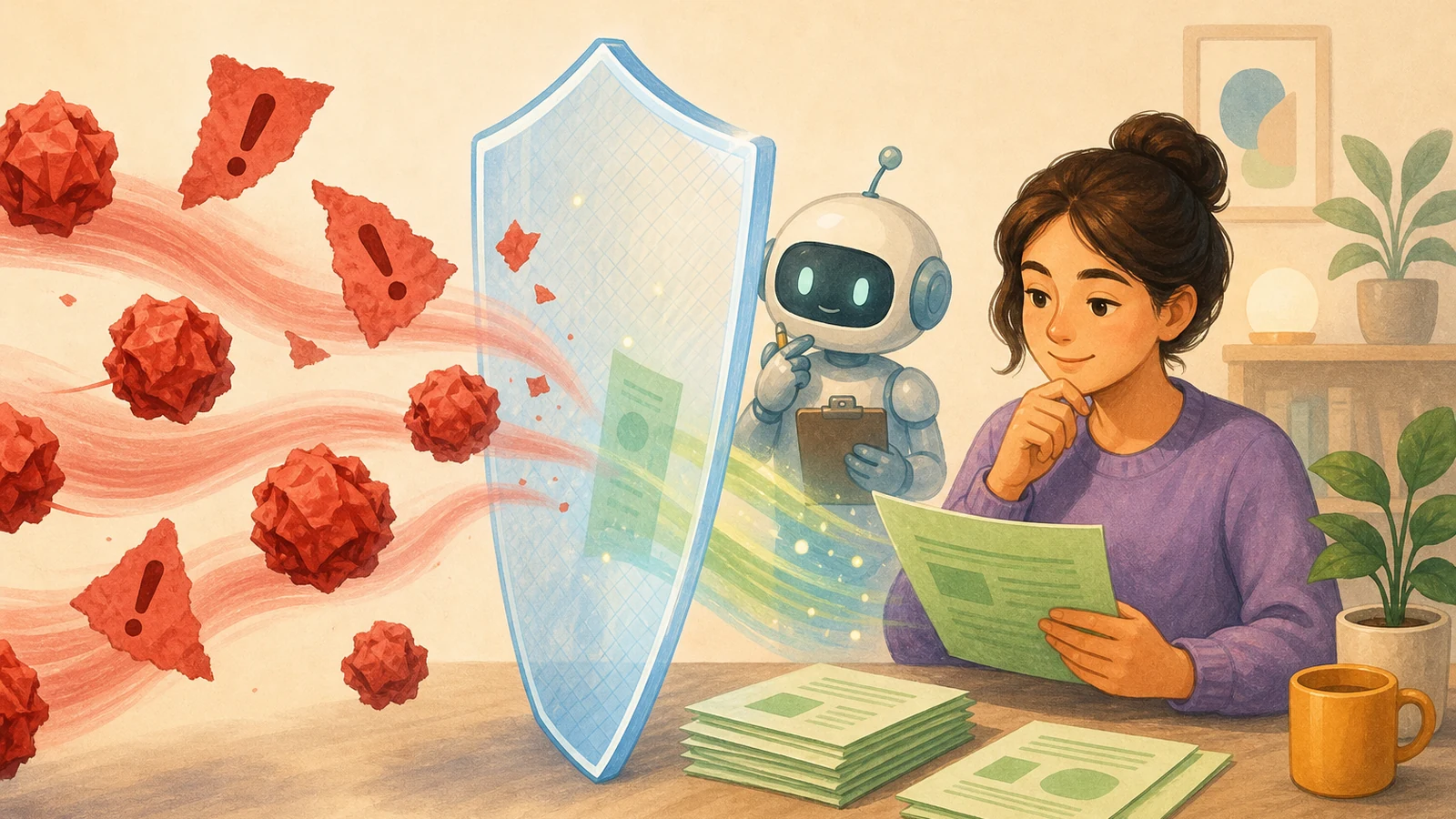
Bad examples, outdated policies, and counterexamples are not safe just because you add “do not believe this.” Decide the risk first, then add labels, filtering, tests, and output checks.